A Comprehensive Guide to Natural Well-being: Lifestyle and Nutritional Strategies for Harmonious Living
Educational content only. No promises of outcomes.
Understanding Holistic Wellness
Holistic wellness encompasses the interconnected aspects of human health: physical vitality, mental clarity, and emotional balance. This multifaceted approach recognizes that well-being is not isolated to a single dimension but emerges from the harmonious integration of body, mind, and spirit.
The concept of holistic health emphasizes the importance of lifestyle choices, nutritional awareness, and mindfulness practices as foundational elements. Rather than addressing symptoms in isolation, this perspective considers the broader context of how daily habits, environment, and mental state contribute to overall vitality.
Understanding these interconnections allows individuals to develop a more comprehensive awareness of factors that influence their sense of well-being and energy.
The Pillars of a Balanced Lifestyle
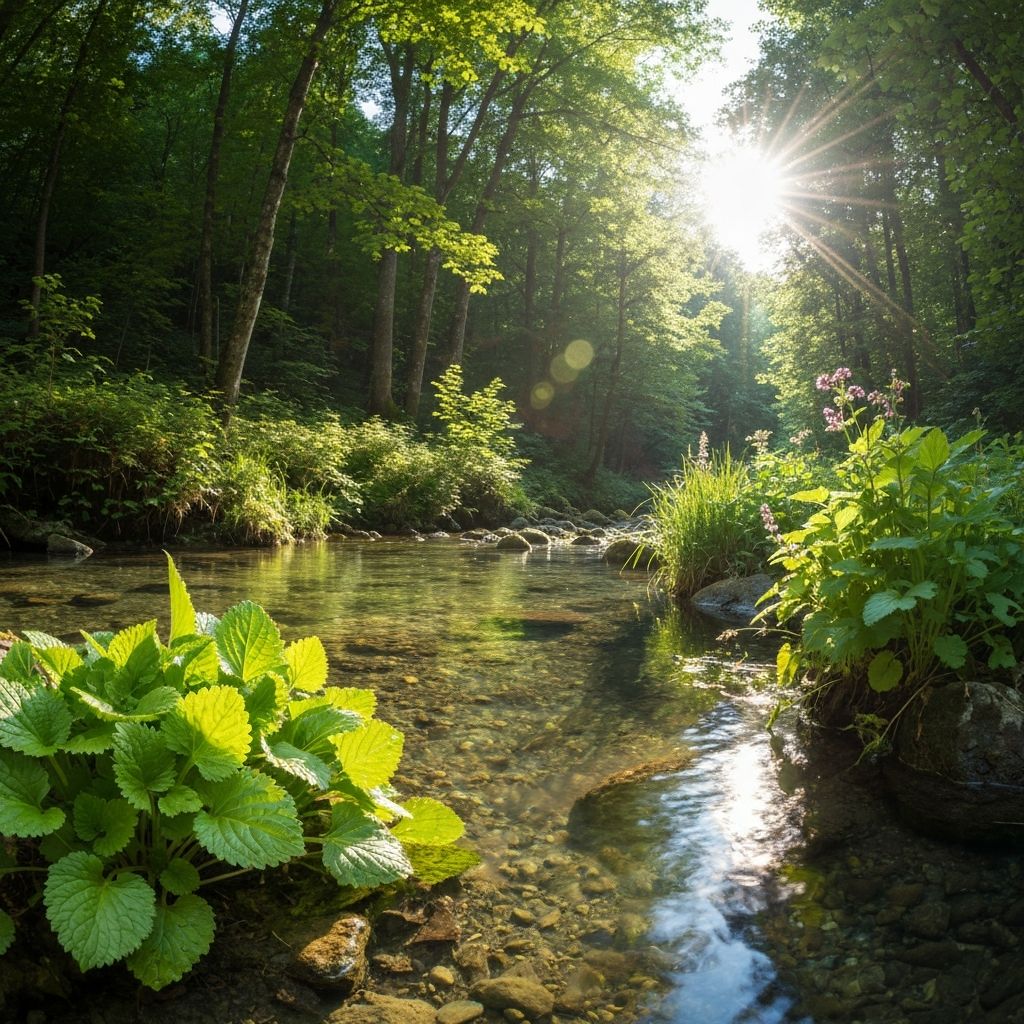
A balanced lifestyle rests on several fundamental pillars that work together to support overall well-being. Each pillar represents a distinct but interconnected aspect of harmonious living.
Quality Sleep
Adequate rest is essential for physical recovery, cognitive function, and emotional regulation. Sleep provides the foundation for all other well-being practices.
Stress Management
Learning to navigate stress through mindfulness and intentional practices supports mental clarity and emotional resilience in daily life.
Physical Activity
Regular movement, whether through yoga, walking, or gentle exercise, maintains physical vitality and supports mental well-being.
Nutritional Wisdom: Principles for Eating Well
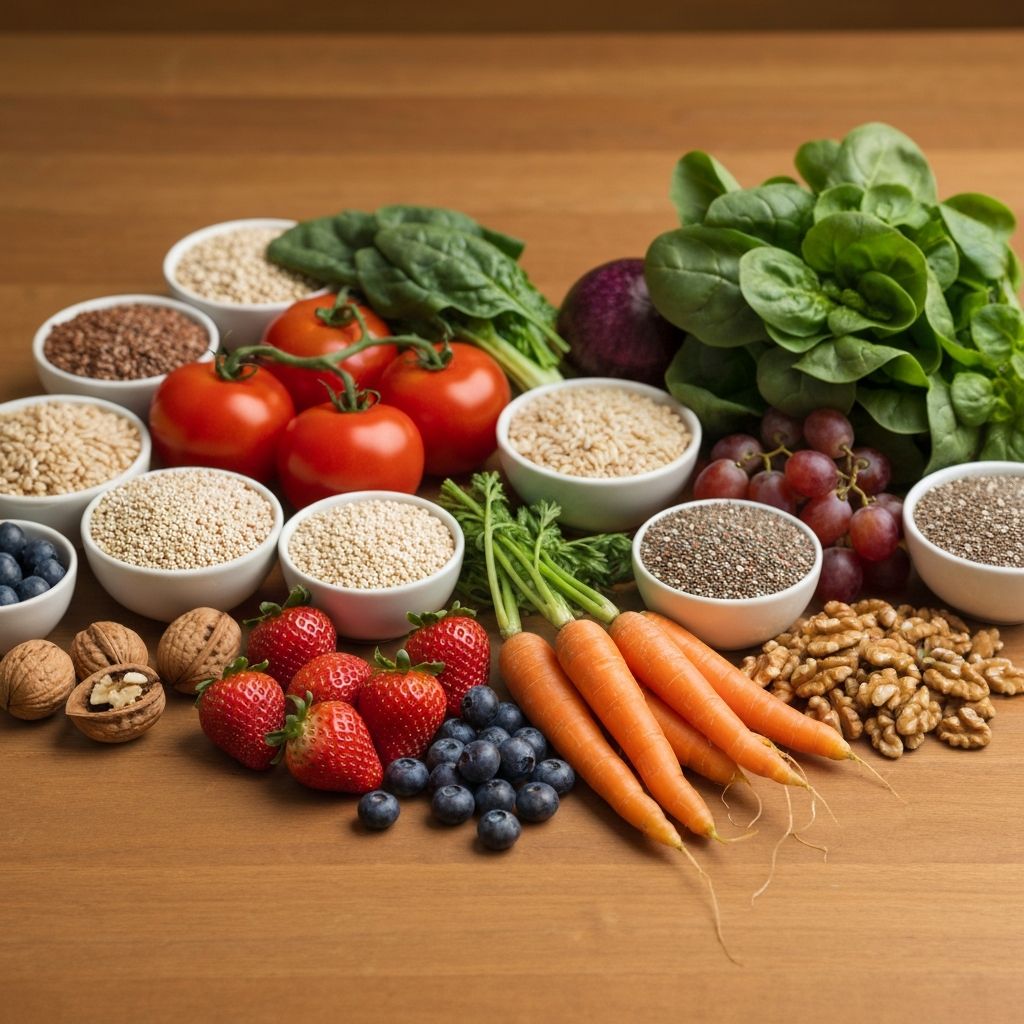
Nutrition forms the foundation of physical vitality. A balanced diet emphasizes whole foods, hydration, and mindful eating practices that nourish the body and support sustained energy.
The principles of nutritional wellness include:
- Consuming diverse, whole foods from plant and natural sources
- Prioritizing adequate hydration throughout the day
- Practicing mindful eating and tuning into hunger and satiety cues
- Understanding portion balance and nutritional diversity
- Recognizing the role of different food categories in overall nourishment
Fruits, vegetables, whole grains, nuts, and seeds each contribute unique nutrients that support various bodily functions and promote sustained vitality.
Embracing Mindful Movement
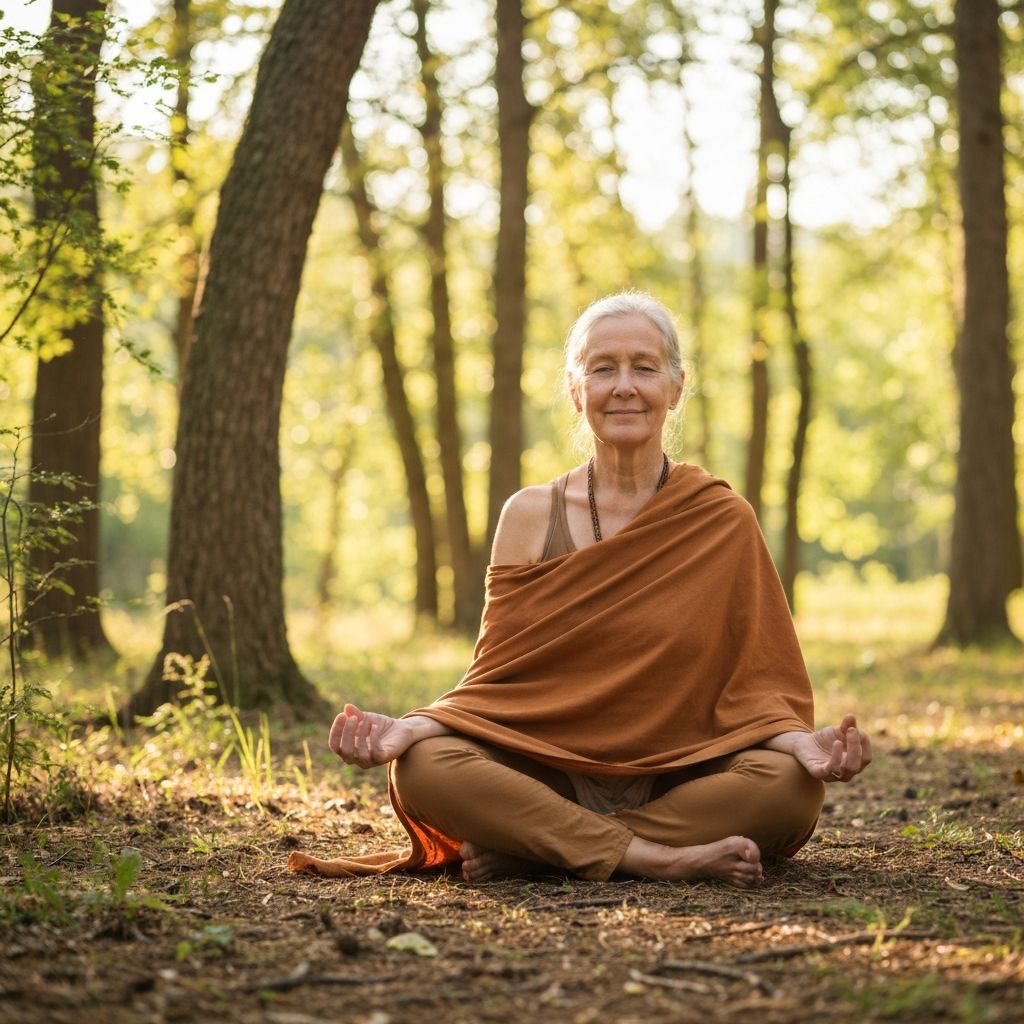
Physical activity extends beyond fitness metrics. Mindful movement—whether through yoga, walking, stretching, or other gentle practices—enhances both physical and mental clarity.
The benefits of consistent, enjoyable movement include:
- Improved cardiovascular function and physical resilience
- Enhanced mental clarity and emotional balance
- Increased energy levels and sustained vitality
- Strengthened mind-body connection through intentional practice
- Support for healthy sleep patterns and stress reduction
The key is consistency and enjoyment rather than intensity. Finding movement practices that bring pleasure ensures sustainable long-term engagement with physical activity.

The Role of Quality Sleep
Sleep is not a luxury but a fundamental biological necessity. Adequate, restorative sleep directly impacts cognitive function, emotional regulation, immune response, and physical recovery.
Creating an environment and routine conducive to quality sleep involves:
Sleep Environment
A cool, dark, quiet sleeping space free from digital distractions supports deeper, more restorative rest.
Consistent Rhythm
Maintaining regular sleep and wake times, even on weekends, helps align the body's natural circadian rhythm.
Pre-Sleep Practices
Gentle activities like reading, meditation, or warm beverages signal to the body that rest is approaching.
Quality sleep forms the foundation upon which all other wellness practices rest, enabling the body and mind to repair and prepare for new challenges.
Stress Management Techniques
In modern life, managing stress effectively is essential for sustained well-being. Non-medical approaches to stress management include meditation, deep breathing, and mindfulness practices that activate the body's natural relaxation response.
Effective stress management strategies include:
- Meditation and mindfulness practices for mental clarity
- Deep breathing exercises to calm the nervous system
- Time in nature to restore emotional balance
- Creative pursuits and hobbies for mental engagement
- Social connection and meaningful relationships
- Physical activity for tension release and mood elevation
Regular practice of these techniques builds resilience and improves the ability to navigate life's challenges with greater ease.
Exploring Natural Components
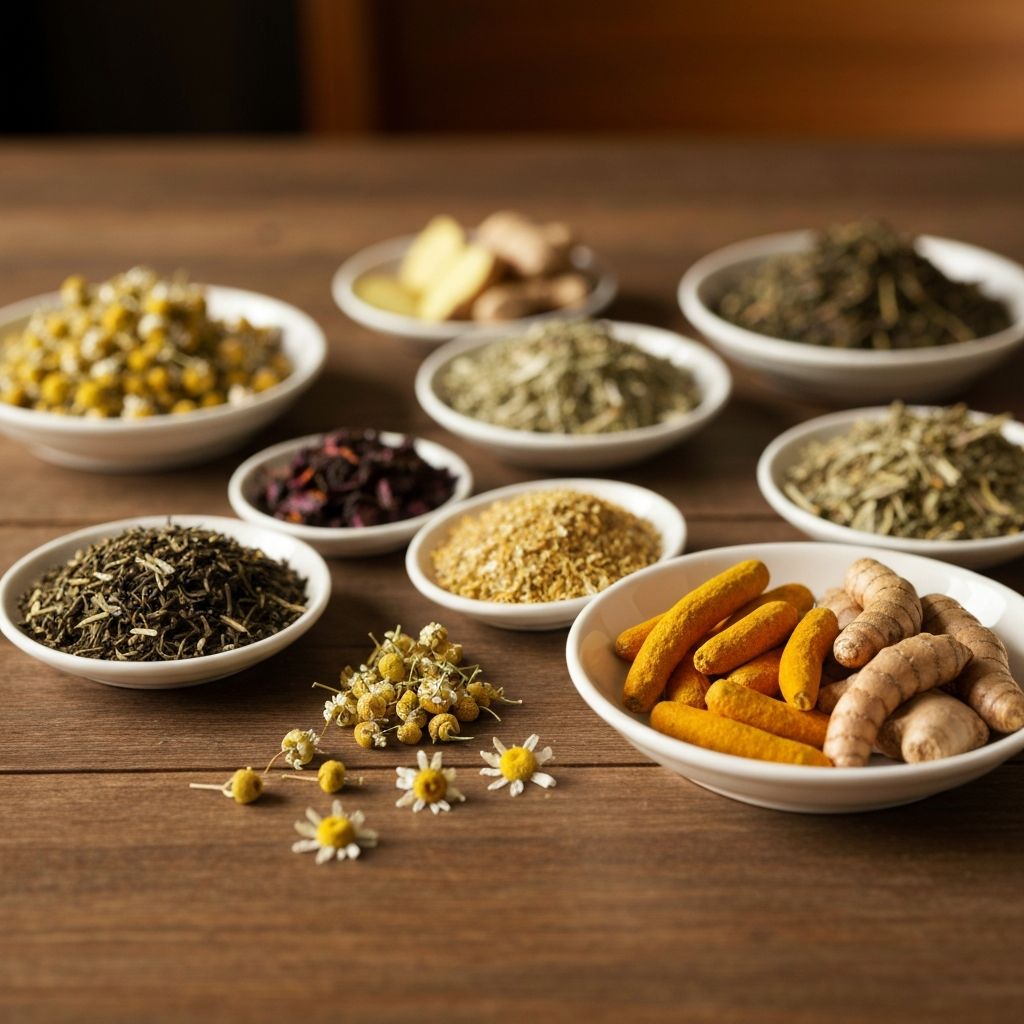
Cultures around the world have long incorporated natural ingredients into daily practices for their supportive properties. Herbs, spices, and botanical elements have traditional roles in supporting general well-being and vitality.
Common natural components and their traditional associations include:
- Chamomile: Traditionally used to support relaxation and calm
- Ginger: Known for its warming properties and traditional use in culinary wellness
- Turmeric: A traditional spice with a long history in cultural practices
- Herbs: Various herbal teas and botanical preparations as part of cultural traditions
- Natural seeds and grains: Nutritional staples across many cultures
These components are presented for informational purposes as part of traditional and cultural practices, not as specific remedies or therapeutic agents.
Historical Perspectives on Well-being
Throughout history, diverse cultures have developed sophisticated approaches to well-being based on observation, tradition, and accumulated knowledge. These historical perspectives offer valuable context for understanding contemporary views on holistic health.
Ancient Wisdom Traditions: Many Eastern cultures developed comprehensive systems emphasizing balance, harmony with nature, and the interconnection of body, mind, and spirit. These traditions recognized the importance of lifestyle practices, dietary choices, and mental cultivation.
Traditional Healing Practices: Indigenous and traditional medicine systems across the world emphasized prevention through lifestyle management, nutritional awareness, and the use of local botanical resources as part of cultural practices.
Cultural Dietary Practices: Different cultures developed distinct dietary approaches reflecting their geography, available resources, and accumulated understanding of nutritional principles. These practices demonstrate the diversity of approaches to supporting well-being through food.
Modern Integration: Contemporary wellness perspectives increasingly integrate historical knowledge with modern scientific understanding, creating a more comprehensive view of how lifestyle factors support harmonious living.
Creating a Supportive Environment
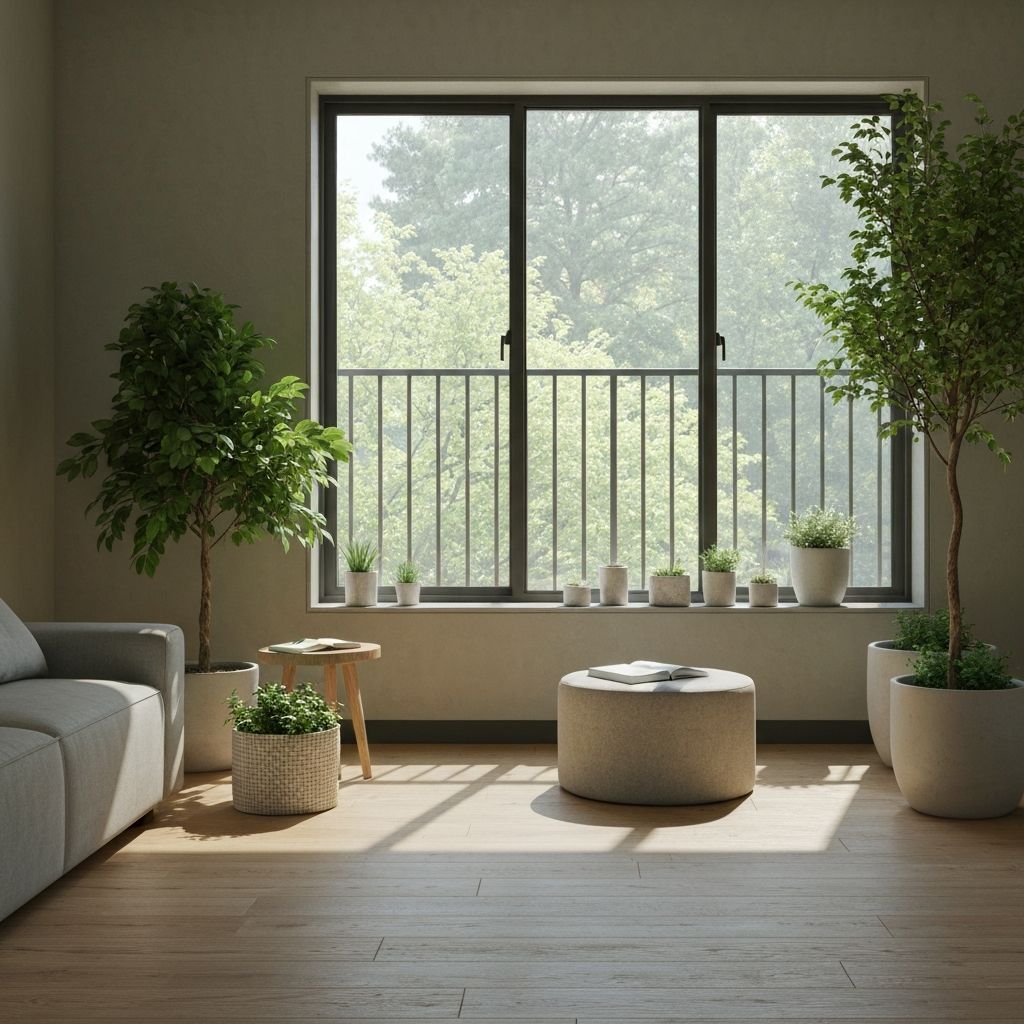
The physical and social environment profoundly influences well-being. Creating spaces and communities that support healthy practices enhances the ability to maintain wellness practices consistently.
Environmental factors that support well-being include:
- Clean, organized living spaces that promote mental clarity
- Access to natural light and fresh air
- Green spaces and connection with nature
- Communities of people sharing similar wellness interests
- Supportive relationships that encourage positive practices
- Access to educational resources about wellness topics
By intentionally shaping both physical spaces and social connections, individuals can create an environment that naturally supports their wellness goals and practices.
Educational Content Disclaimer
Limitations: Different individuals may respond differently to various wellness practices and lifestyle approaches. What works for one person may not be appropriate for another. Professional guidance should always be sought for specific health concerns or before making significant changes to personal wellness practices.
No Personal Recommendations: This site does not provide individualized wellness plans, medical recommendations, or therapeutic advice. Readers are encouraged to develop approaches to well-being in consultation with qualified professionals and based on personal circumstances and preferences.
Educational Content Only. No promises of outcomes.